Inside the Gospel World of Gillian Eka: Worship, Healing & Calling on The Giovanne Show
As seen in
on
5 févr. 2026

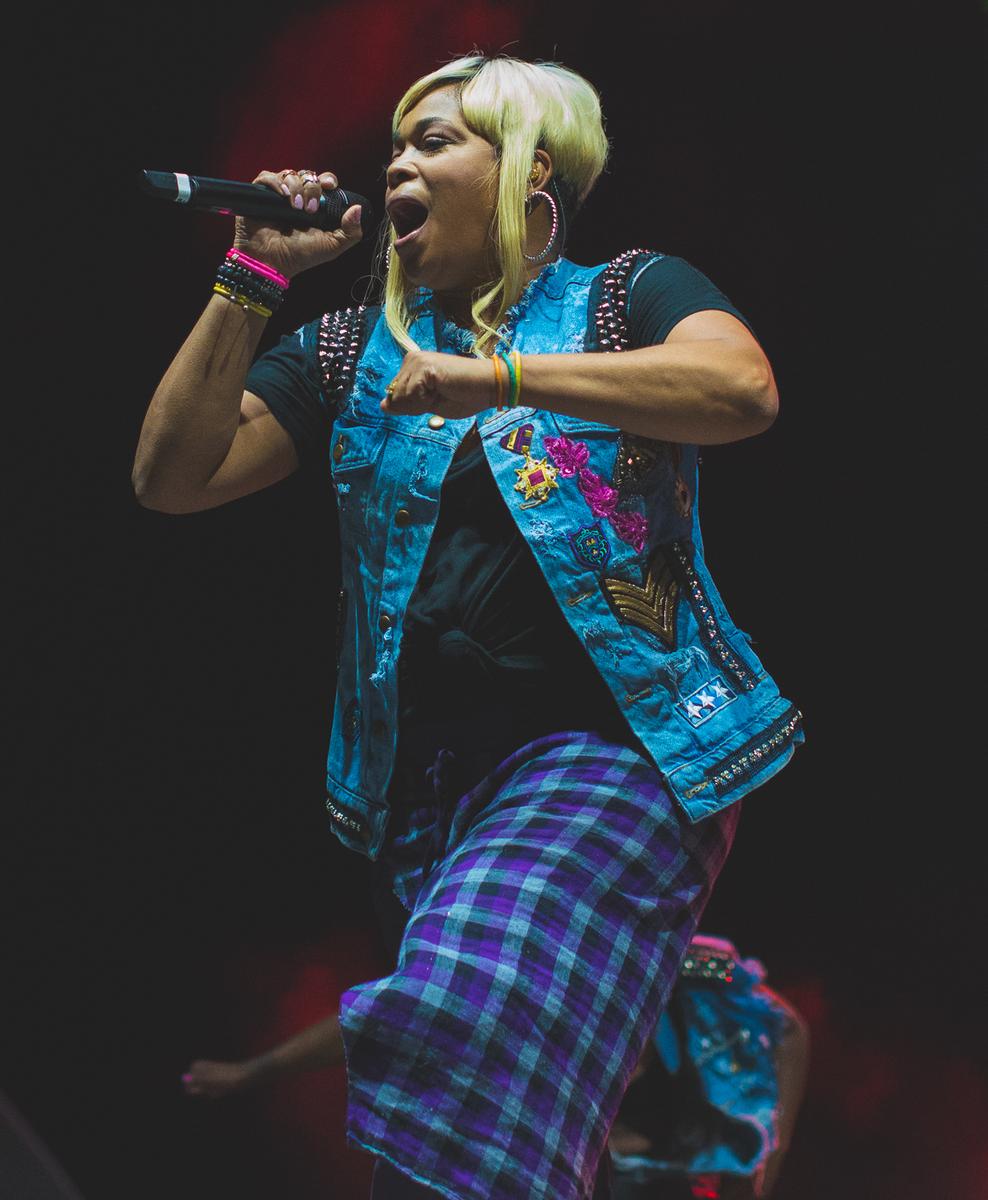
African gospel artist Gillian Eka recently appeared on The Giovanne Show for a long-form conversation that centered on faith, worship, and the growing influence of African Christian music across continents. Host Giovanne Schachere guided the episode toward questions of purpose and spiritual calling rather than industry status or social media visibility. The exchange offered listeners a view of worship music that places spiritual meaning ahead of commercial trends.
Worship as daily practice
Gillian Eka described worship as a daily way of living rooted in obedience, explaining that her work as a gospel artist grows from prayer and scripture before production or performance. She discussed how this perspective shapes every project, framing music as a response to God rather than a path to personal recognition. The episode framed that stance as part of a wider effort among African gospel artists who emphasize devotion more than numbers or rankings.
Her catalog, including tracks such as “My Heart,” “Anointing Fall,” “I Have a Father,” and “No One,” has drawn listeners who seek worship music focused on healing, surrender, and sustained faith. Each song carries themes of dependence on God, steady trust through difficulty, and gratitude for continued life and breath. Listeners heard how these works invite people dealing with illness, disappointment, or uncertainty to treat worship as a steady response rather than a performance.
During the interview, Eka reflected on the image of a heartbeat as a reminder that life itself signals continuing purpose. She spoke about seasons of struggle where prayer and worship felt like the only stable ground. Her comments positioned worship music as a companion during hardship rather than a soundtrack confined to church services or special events.
African gospel on a wider stage
African Christian music has gained wider attention in recent years, with worship leaders from Cameroon, Nigeria, Ghana, South Africa, and the diaspora bringing regional styles and theological depth into global conversations. The episode placed Gillian Eka within that development, describing her as part of a group of artists who carry local prayer traditions into wider spaces without diluting their message. Listeners heard how Cameroonian worship blends strong congregational singing, extended prayer, and rhythmic arrangements that stay anchored in scripture.
Schachere framed African gospel’s rising profile as recognition rather than a new phenomenon, pointing out that African churches have long treated worship as central to community life. The discussion suggested that streaming platforms and video channels have simply given global audiences greater access to practices that already hold a long history in African Christianity. That framing encouraged listeners to see African worship music as a theological voice rather than a passing trend.
The conversation further addressed pressures that come with wider exposure, including expectations around social media engagement and chart performance. Eka acknowledged that those pressures exist yet returned to the idea that obedience to God’s direction remains her primary measure of faithfulness. That stance matched the show’s broader focus on guests whose decisions are guided by conviction, even when industry incentives push in other directions.
The Giovanne Show’s faith-focused lens
The Giovanne Show presents itself as a faith-conscious program where stories of spirituality intersect with public life, art, and social questions. Host Giovanne Schachere, a social worker and entrepreneur, often interviews guests whose work touches communities facing instability, grief, or transition. Episodes move between discussions of homelessness response, creative expression, and faith practices, creating space for both policy discussions and personal reflection.
Schachere has previously centered conversations on leadership, trauma, and homelessness reform in King County, connecting those topics with her housing and human services work in Washington and California. Her interview with Gillian Eka extended that pattern by considering how worship can support people navigating illness, displacement, or economic strain. The show’s structure allowed spiritual themes to sit alongside references to real-world pressures, including healthcare access and community support.
At the close of the episode, Schachere reflected that African gospel music gives listeners language for hope during unstable times while grounding that hope in scripture and prayer rather than entertainment. She suggested that conversations like the one with Eka help audiences reconsider the purpose of worship music, particularly when streamed content can feel fragmented or trend-driven. The show’s team framed the episode as part of an ongoing effort to host guests whose work encourages thoughtful faith practices across generations.